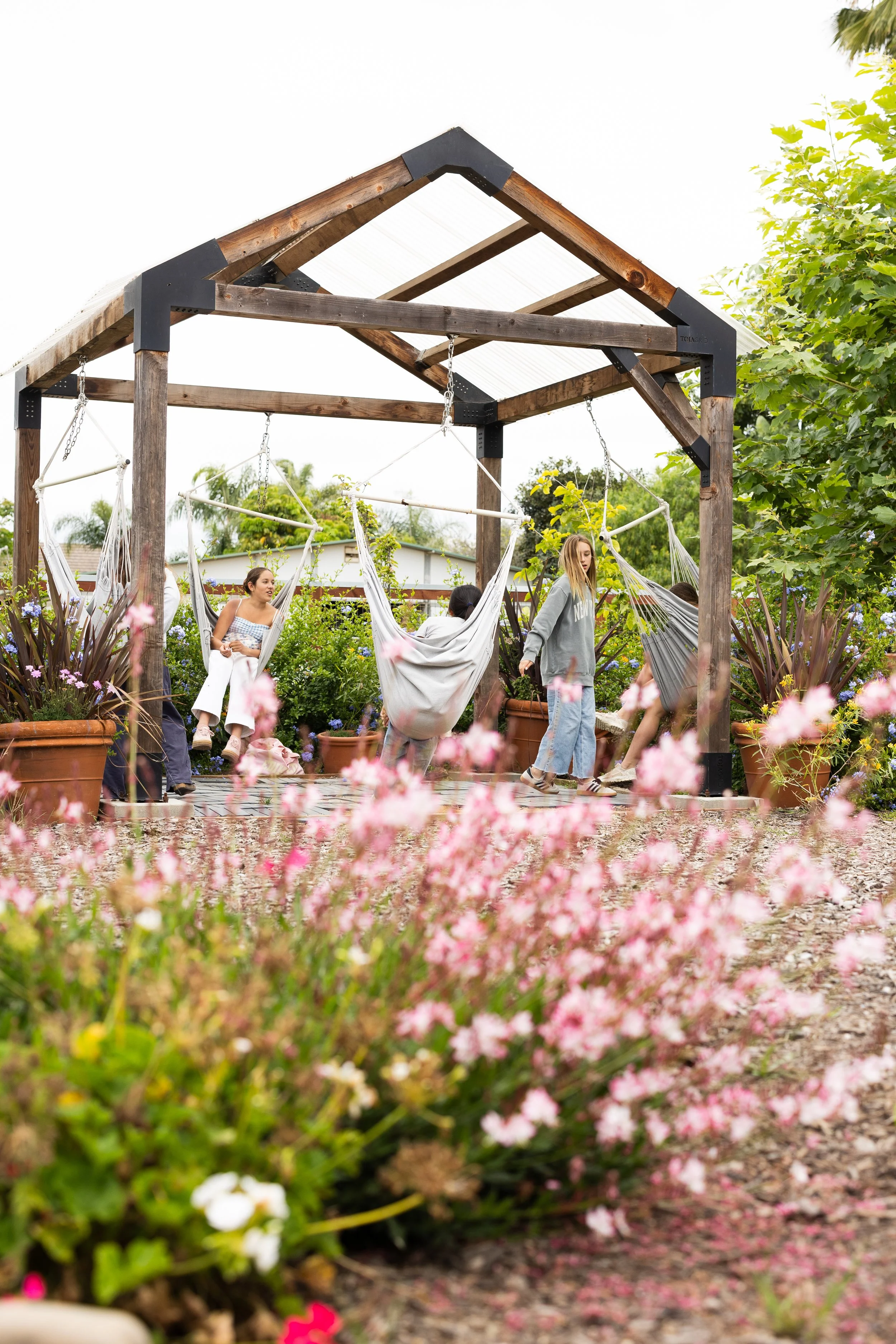
A Flexible, Comprehensive Enrichment Program for Charter Families.
A diverse, multi-modal weekly offering.
The school program runs Monday–Friday, 9:00am–3:00pm for a 36-week academic year, fueled by annual tuition.*
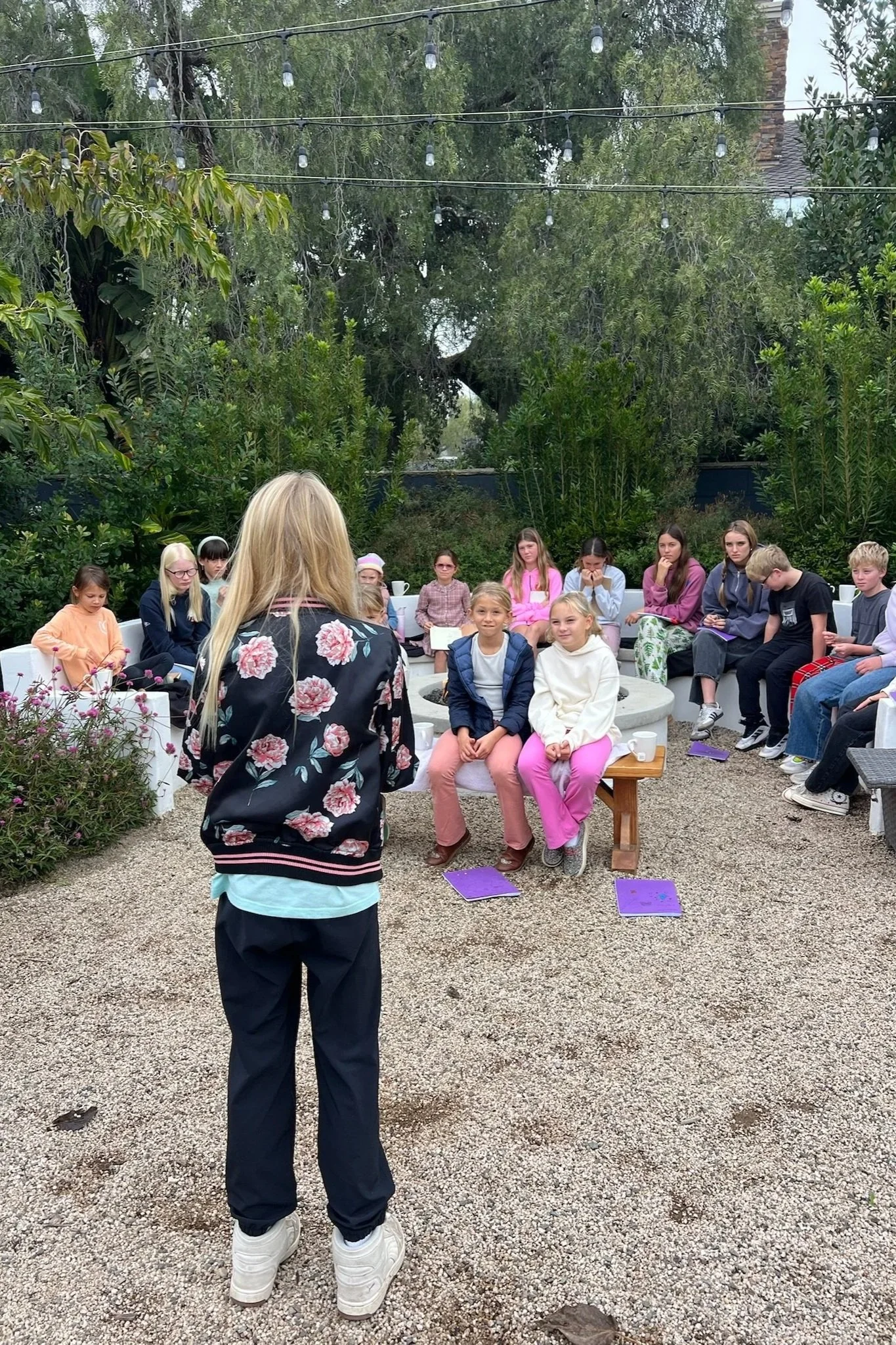
On weekday mornings, a long, unhurried Montessori work cycle prioritizes real guided work, freely chosen, and carried to completion.
On Monday-Wednesday afternoons, we offer a Main Lesson—a story-rich, artistic deep dive in the Waldorf manner.
Thursday afternoons provide Spanish for all bands followed by a Great Works seminar that includes questions, conversation, and character development as we learn from the writing, art, and inventions of history’s greatest thinkers and creators.
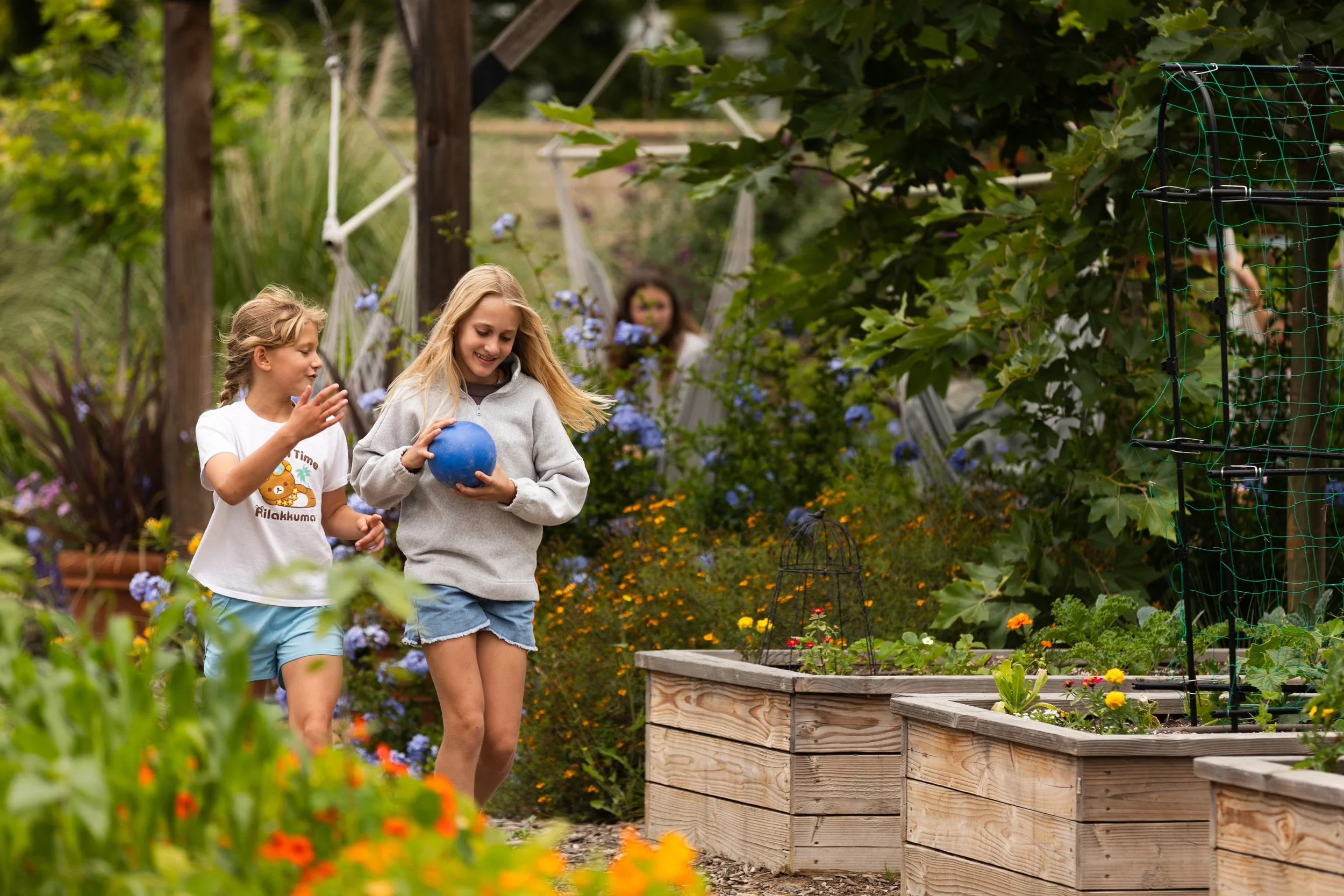
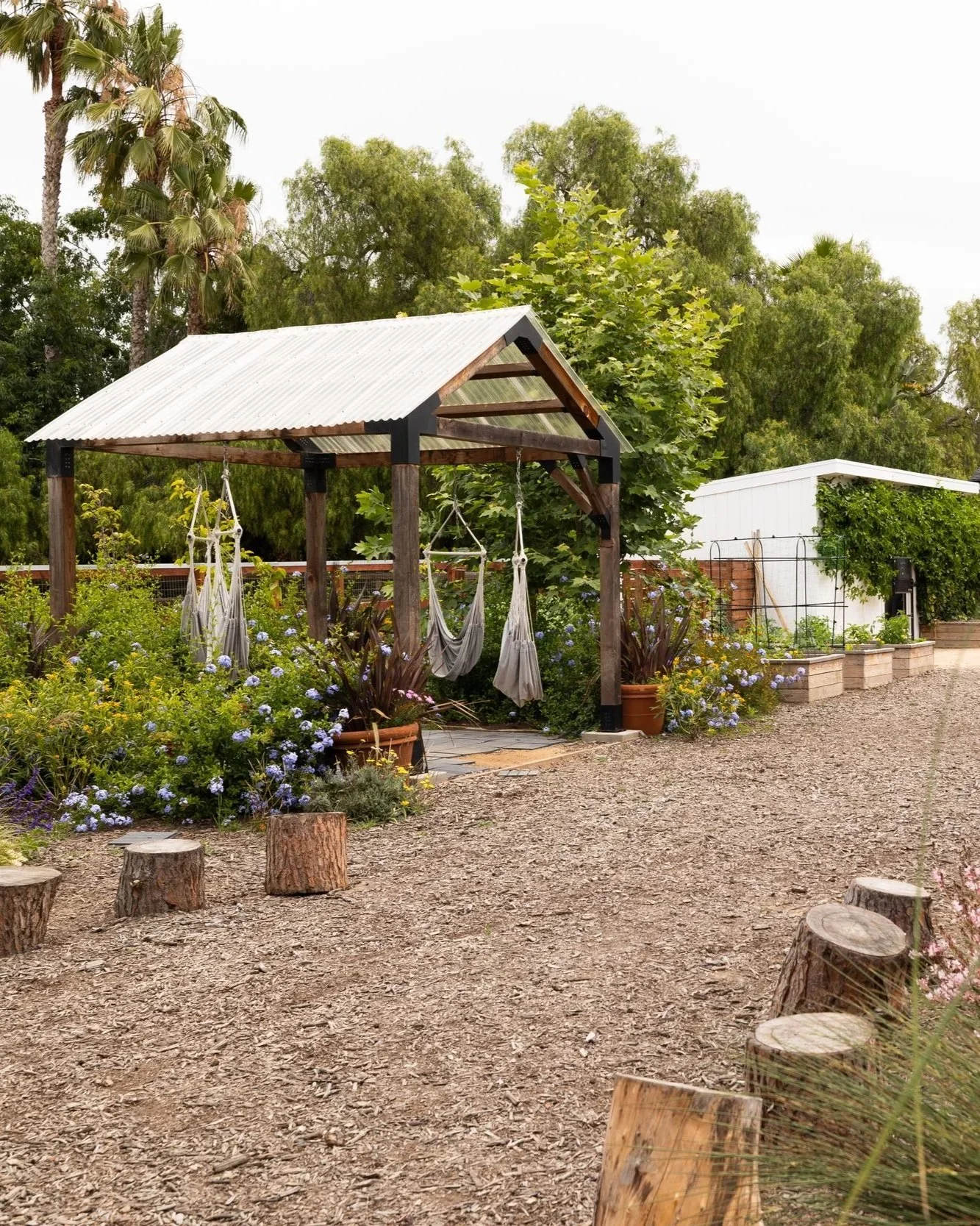
Farm Fridays close out our full program offering for the week, which includes farm work, games, and community.*
Mixed-age bands and a 3 year cycle.
Students learn in three mixed-age bands, grades 1–3, 4–6, and 7–9, reflecting real life and giving every child daily chances to mentor and to be mentored.
Our curriculum distributes California’s academic standards (including NGSS) deliberately across a three-year cycle rather than cramming them into one. Content returns by season, but no child encounters the same thematic material twice. For families enrolled in a charter school, our program naturally produces the work samples your charter’s credentialed teachers need.
What we don’t do.
Rely on screens. Take standardized tests. Issue required homework.
How we know your child is learning.
Each child keeps their own Almanac, a portfolio of real work, tended across the year. Guides write narrative assessments each November and May, and every spring, each student presents their year at a student-led conference: “This is what I learned, and here is how I know it.”
*Most families also choose to participate in the Farm Fridays from noon-3pm and may use charter fund for this program.
Farm Fridays Program
Fridays, noon–3:00pm during the 36-week academic year. $125/session or $350/month.
Tend Our Organic Gardens
Learn how to plant, cultivate, fertilize, nurture, prune, week, propagate, and harvest in the organic gardens that we use to support our farm to table school lunch program.
Learn About Regenerative Agriculture
Experience the basic principles of of the symbiotic relationships between plants, animals, the land, humans, and weather.
Experience the Joy of Play
Nurture social-emotional learning, teamwork, kinesthetic intelligence, and community through farm games, activities, challenges, and competitions.
The Seasons Symbolize our Growth.
At Alma, the four traditions, the four values we practice daily, and the four dimensions of the child integrate symbolically throughout the year.
Fall represents Formation, where a child connects with their sources of life. It is the season of Virtue, forming the dimension of Community.
Winter represents Waldorf, where a child imagines meaning in the world. It is the season of Imagination, forming the dimension of Heart.
Spring represents Montessori, where a child becomes what they make for the world. It is the season of Mastery, forming the dimension of Mind.
Summer represents Nature, where a child celebrates and explores the world. It is the season of Wonder, forming the dimension of Body.
The hub of the wheel is the soul.
Community, heart, mind, and body are not a checklist, they are parts of one living whole. That whole is the soul, Alma. On our seal, the four seasonal glyphs turn around the soul of our children at the hub, the whole that holds the year together.
Portrait of a Graduate
Everything we do is judged against one question: Is this forming the kind of person we set out to prepare for the world?
Six qualities answer it: Rootedness, Wonder, Virtue, Belonging, Self-Direction, and Mastery. They are assessed through portfolio, narrative evaluation, and annual student-led presentations rather than tests.
Cultural Studies
Spanish, every week.
At Alma, every band, grades 1 through 9, have the opportunity to learn Spanish together each week. Early language learning builds memory, problem-solving, and empathy for other ways of seeing the world; and Spanish gives our children one of their first warm words: alma, soul. Language at Alma is not a subject apart, it is a doorway into the cultures of our neighbors and of the wider world.
Festivals of the turning year.
An almanac keeps the feasts as faithfully as it keeps the frosts. Our community marks the turning of the year with festivals drawn from the traditions we practice, each one a chance to learn the stories, foods, songs, and crafts of a culture, and to feel the season change together.
Michelmas (early fall). A celebration of courage and the triumph of light over darkness. Students craft swords and shields, share a harvest feast, and symbolically face their own “dragons” as the year begins — learning that each of us can carry light into darker seasons.
Día de los Muertos (fall). As students of Spanish and neighbors to a rich culture, we honor this vibrant Mexican tradition. Children help create an ofrenda adorned with marigolds, candles, and mementos, learning about the enduring connection between the living and the departed and the celebration of life’s cycles.
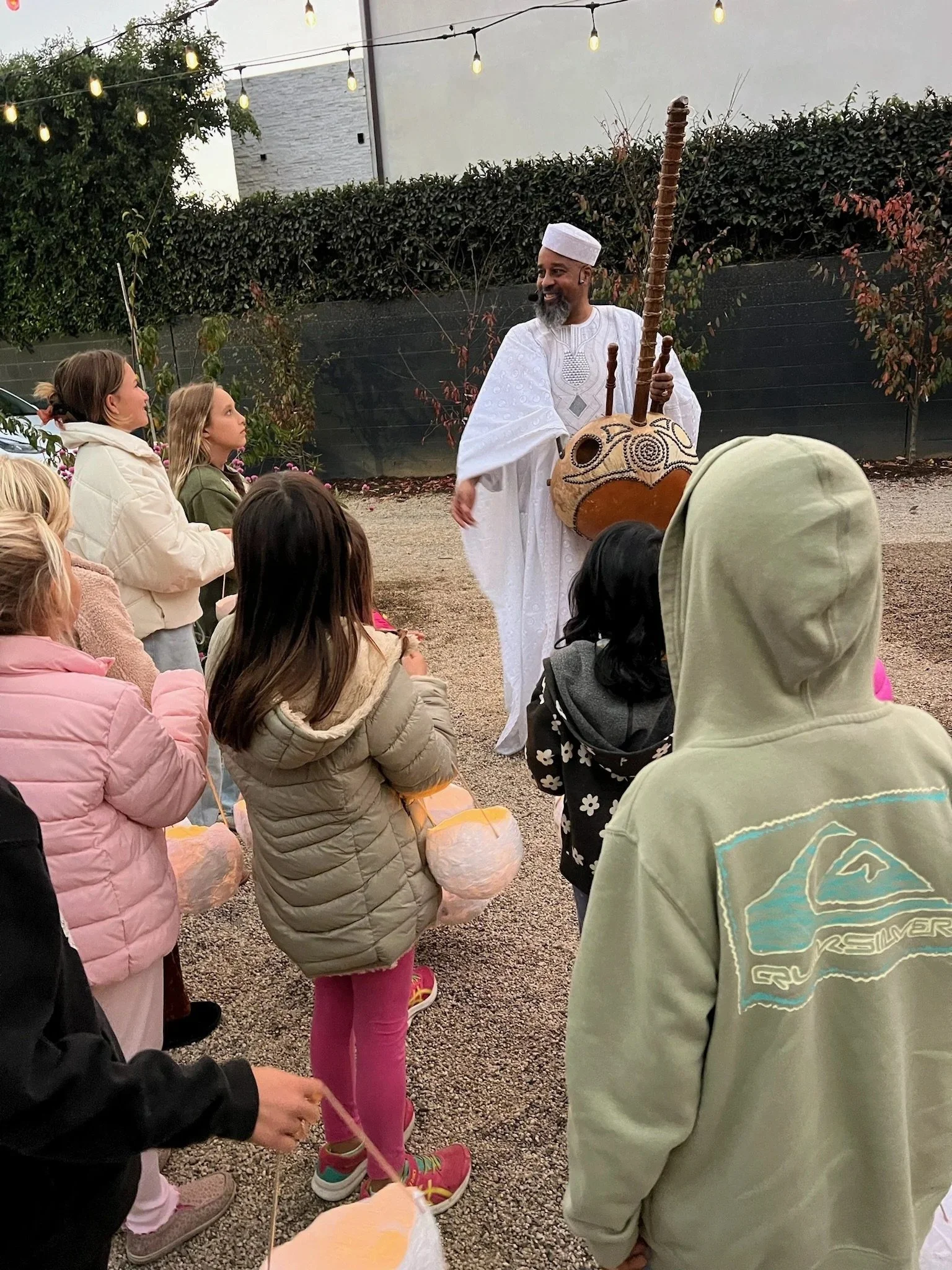
The Lantern Walk (Martinmas, late fall). As the days shorten, children walk the farm at dusk carrying lanterns they have made, each one a symbol of the inner light we carry into winter, accompanied by storytelling and song.
The Spiral of Light (winter). In the darkest weeks of the year, each child walks a spiral of evergreens to light a candle at its center, a quiet, reverent picture of finding one’s own light and adding it to the community’s.
May Faire (spring). When the year turns green we celebrate with music, ribbon dances, flower crowns, and games on the farm, the old European festival of spring’s return, and pure embodied joy.
Our vision is rooted.
We are first and foremost a community of families united by the conviction that there is a better way to educate children, one that lets wonder and curiosity flourish rather than fade.
Authentic relationships create the soil in which learning grows. A child who feels seen and trusted will explore freely, struggle, fail, try again, and grow resilient. Our mixed-age bands reflect real life and give students daily chances to mentor and to be mentored.
We are an Almanac.
An almanac is one of the oldest, most trusted books people have kept: many kinds of knowledge bound into one volume, organized by the turning of the year. That is precisely our school. Four traditions woven into one program. Days that follow a rhythm a child can lean into and trust. A year that moves with the actual year.
We chose the name because it describes the program: seasons, place, patient observation, practical wisdom, and knowledge paired with character, kept like a trusted book, returned to year after year.
And hiding at the front of the name is what our community calls us: Alma — “nourishing,” as in alma mater, and “soul” in Spanish, a language our children speak every week. Two happy meanings one little word gets to hold.
We pick up where standardized education leaves off.
We offer a whole-child education and a standing invitation to wonder and wander. The result: a well-balanced child who loves to learn.
We offer: Guides experienced in Montessori, Waldorf, and nature-based pedagogies; a community of students, guides, and their families; flexible engagement, from full primary education to a few days of enrichment, so parents can design the schedule that best serves their child and family; and a small working farm as our daily classroom.